Posted by advertage December 21, 2025
Whoa! Okay, full disclosure: I tinker with Solana wallets more than I probably should. I’m biased, but the browser-extension workflow for Solana has gotten a lot smoother, and Phantom is at the center of that change. Short story: it’s fast and intuitive. Longer story: there are trade-offs—security trade-offs, UX trade-offs, and a handful of gotchas that will trip up newcomers and even some pros.
My first impression was simple: wow, connecting to apps felt like clicking past a few modal dialogs and then—bam—you’re in. Seriously? Yeah. But something felt off about some permission prompts; at first I just clicked through, like many of us do, and my instinct said “slow down.” Initially I thought permissions were straightforward, but then I realized not all dapps ask the same things and some ask for access you don’t actually need. Actually, wait—let me rephrase that: most requests are harmless, but a careless click can make later cleanup annoying, and in some cases risky.
I set Phantom up on Chrome and on Brave. Short sentence. The setup was mostly painless and the UX is familiar if you’ve used MetaMask on Ethereum, though there are Solana-specific nuances that matter. For example, the way seed phrases, derivation paths, and program interactions are handled is different. On one hand it feels like a natural evolution. On the other hand, it exposes a few subtle user-experience failure modes that can leak funds or user privacy if you don’t pay attention.
First things first: installing and initial setup
Okay, so check this out—before I recommend anything, here’s the single best piece of advice: take your seed phrase offline immediately. Really. Write it down. Tuck it away somewhere that isn’t your downloads folder. My tip is old-school but effective—paper, in a safe. I’m not 100% sure a safe deposit box is necessary for everyone, but a locked drawer or fireproof box goes a long way.
The extension install flow itself is straightforward. If you’re curious to try it, search for Phantom or grab the official installer, and you can also find the extension at a trusted source like the phantom wallet site I use. The trusted link I rely on is phantom wallet. There—that’s the one I use. After install, you’ll make a password and be handed a seed phrase. Pause. Don’t rush that step.
Short aside: oh, and by the way, recovery phrases are not just backup keys. They are full-control keys. If you lose them, you’re out. If someone gets them, they control your funds. Simple. Hard reality.
Day-to-day use: what feels great and what bugs me
Logging into DeFi apps is nearly instantaneous. That’s the joy of a good extension wallet. Medium sentence to explain: it streamlines approving token swaps, staking, and NFT interactions without handing your private key to every site. Longer thought now—though remember that ease-of-use increases attack surface in other ways, because phishers can mimic permission dialogs and suspicious sites can use social engineering to trick novices into approving transactions they don’t understand.
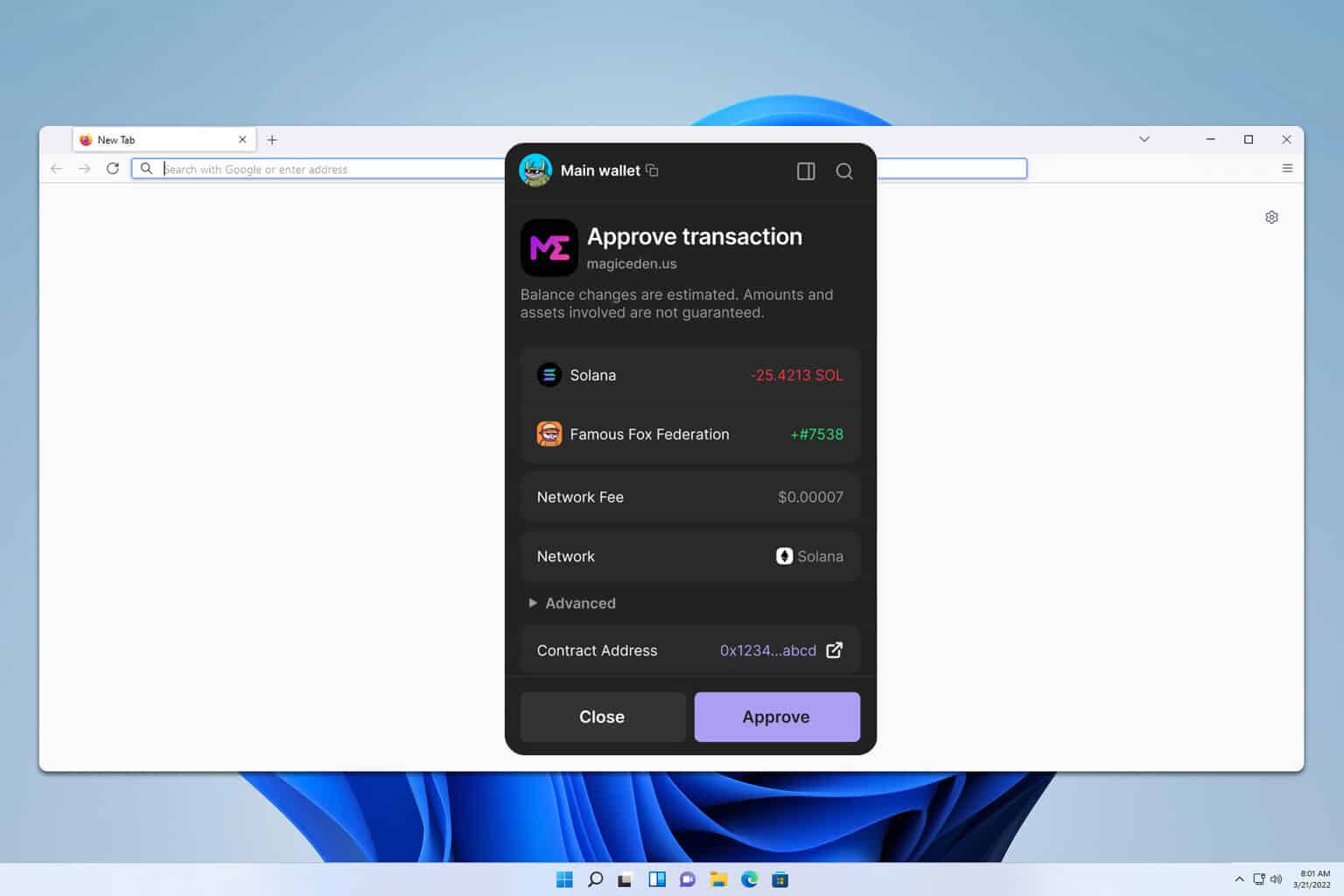
Here’s what I like: transaction previews are clear for the most part, slippage settings are visible, and the activity history gives you a quick audit trail. But here’s what bugs me: some multisig or program interactions show vague text like “Program X will be allowed to interact with your wallet”—and most people have no idea what that means. This ambiguity is a common failure mode in wallets. It leads to accidental approvals.
On a practical note, I once approved a transaction at a coffee shop because I didn’t lock my laptop fast enough. Rookie move. Learn from me: use the extension lock and a short password or lock the browser when you’re stepping away. Somethin’ as simple as that saved me later.
Security practices that actually matter
Short burst. Seriously? Yes—use hardware wallets for larger balances. This isn’t a cute suggestion. It’s essential. If you care about a lot of crypto, combine Phantom with a hardware wallet so that signing sensitive transactions requires your physical key. That reduces attack surface dramatically.
On the other hand, for day-to-day DeFi play or NFT browsing, Phantom’s software wallet is quick and fine, as long as your seed is safe and your browser is clean. Initially I thought browser isolation was overkill, but then I had an extension conflict that blocked Phantom popups—annoying and instructive. Now I run a dedicated browser profile for crypto stuff. It’s a small inconvenience that saves hours of head-scratching later.
Also, check your connected sites regularly. Phantom shows a list of domains with which you’ve interacted. Revoke access from old dashboards. It’s laborious, but a five-minute audit once a month is worth it. On one hand it feels tedious, though actually it keeps your account tidy and reduces the blast radius of a compromised site.
DeFi on Solana: where Phantom shines
Low fees are the obvious win—transactions are cheap and mostly quick, which changes how you experiment. Try smaller trades, test strategies, or mint that low-cost NFT without sweating gas fees. However, speed comes with a caveat: ultra-fast confirmations sometimes make hasty approvals more likely. The psychology matters—friction can be protective. Remove too much friction and people click too fast. That’s a behavioral security problem, honestly.
For power users: Phantom supports token management, custom tokens, and easy import/export. The dev tooling around Solana is getting better, which means developers build richer UX into dapps that integrate with wallet extensions. That reduces the number of manual steps users need to perform. But the variability across dapps is still wide—some are beautifully polished, others look like a college project. Be selective.
Longer reflection: as the ecosystem matures, I expect Phantom and similar wallets to offload more responsibility to the wallet UI—better transaction labeling, clearer program permission language, and integrated safety checks. That’ll be great, though it’s not here yet. So while Phantom helps a ton, it’s not a magic wand; your choices still matter.
Troubleshooting common snags
Sometimes transactions hang. Sometimes a token won’t appear. Sometimes you think you lost funds because a transaction shows “processing” for ages. Take a breath. Check Solscan or other block explorers for transaction signatures before panicking. If you can’t see your token balance, verify the token mint address rather than relying on automatic search. Small, but important tip: add custom tokens by mint address; that tends to resolve ghost tokens.
Another frequent issue is extension conflicts or corrupted state after a browser crash. If you’re troubleshooting, try a fresh browser profile or reinstall the extension from that one trusted link I mentioned earlier. And yes, export your seed before doing anything risky. Backup first, experiment later. That’s my mantra. It’s a little repetitive, but repetition sticks.
Common questions (FAQ)
Is Phantom safe for newcomers?
Short answer: generally yes for small amounts. Longer answer: it’s a user-friendly wallet with a strong reputation in the Solana ecosystem, but safety depends on your habits. Secure your seed, use hardware wallets for serious sums, and vet any site before approving transactions. I’m biased, but treat every approval like real money—because it is.
How do I recover my wallet if I lose my device?
Use your seed phrase. Write it down and store it offline. If you lose your seed, funds are unrecoverable. No exceptions. That harsh reality is why backups are non-negotiable.
Can Phantom connect to hardware wallets?
Yes. For users holding significant value, pairing Phantom with a hardware device for signing is the recommended approach. It adds friction, sure, but that friction is protective, and sometimes I like friction. It helps me avoid dumb mistakes.